MLB Betting Guide: How to Bet on Major League Baseball Odds in 2026

Eddie Griffin

Written by: Eddie Griffin

Last Update: Sat Aug 08, 2026, 9:40 pm ET

Read Time: 40 minutes

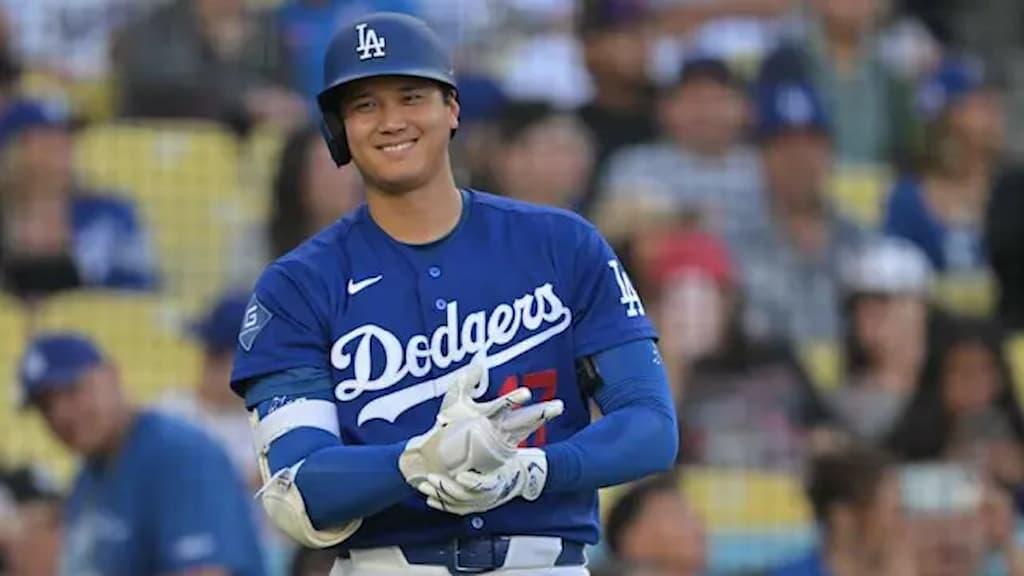
MLB Betting Guide cover (Los Angeles Dodgers superstar Shohei Ohtani)

Baseball offers more betting opportunities than any other major sport in the United States. With over 2,400 regular season games and action taking place nearly every day from spring through fall, MLB betting provides a constant stream of wagering options at top online sportsbooks such as Lucky Rebel, BetOnline, and Everygame.

Unlike the NFL, where betting is concentrated into a weekly schedule, MLB betting is a daily grind. From moneyline and run line bets to player props, live betting, and futures like World Series odds, there is always something on the board.

That volume creates opportunity. It also demands discipline. Pitching matchups, lineup changes, bullpen usage, travel, and weather conditions can all shift betting value in meaningful ways.

Utilizing the right tools and understanding how the market works is critical. This MLB betting guide is designed to serve as a complete resource, helping you approach baseball betting for the 2026 season with a sharper, more informed strategy.

MLB Tips to Profit

MLB Betting Guide Menu

Daily MLB Consensus and Expert Picks from Betting News

Our MLB picks page is designed to give bettors a comprehensive view of the betting landscape for every game on the schedule.

Each day, we provide consensus moneyline, run line, and total picks for every MLB matchup, pulling from a range of trusted sources across the sports betting industry.

These MLB consensus picks aggregate where respected analysts and models are leaning. That helps bettors quickly identify where the market is lining up.

This approach allows you to:

  • Spot heavily backed sides and totals
  • Identify potential sharp vs. public splits
  • Quickly compare consensus leans with current odds

In addition to consensus data, our MLB expert coverage is led by Nate Hornung. Nate provides daily expert best bets, along with deeper analysis on select games and futures markets.

Nate's insights go beyond surface-level trends. He incorporates matchup data, pitching analysis, and situational angles. He also discusses MLB betting regularly on Betting News Twitch streams, giving bettors additional context and real-time perspective.

It is important to remember that no expert or consensus picks should be followed blindly. The goal is to use this information as part of a broader betting process. That process includes your own research, line shopping, and understanding of the market.

Compare MLB Odds from Top Baseball Betting Sites

Do you like to bet on only a few MLB games each week? Or do you like to bet on MLB games daily?

Wherever you fall, is locating the best value for the MLB bets you are making important to you?

It is worth noting that many MLB betting sites will have odds that are similar in some way. But if you know sports betting sites well and like to compare MLB odds, you will find some spots that can give you an edge.

With our MLB betting odds page, you can compare baseball moneyline, total, and run line picks from several of the best sports betting sites. Better yet, you can compare to your heart's content without having to leave the page you are on or open a bunch of new tabs.

Best MLB Betting Sites

All top U.S.-friendly sports betting sites offer MLB betting. However, not all of these sites are built equally for the daily nature of baseball wagering.

Because MLB features games almost every day for seven months, bettors need sportsbooks that provide:

  • Competitive odds across a large board
  • Early line releases
  • Deep prop markets
  • Reliable live betting

Top options include Lucky Rebel, BetOnline, Everygame, SportsBetting.ag, and Bovada.

Among these, Lucky Rebel stands out as the top overall option for MLB bettors. Its welcome offer of a 125% bonus up to $1,250 plus 50 free slot spins provides a strong starting bankroll. That is especially valuable in a sport where consistent daily betting volume is common.

Just as important is the Rebel Rewards program, Lucky Rebel's loyalty program. It offers ongoing cashback, reload bonuses, and other great perks. Over the course of a 162-game season and postseason, these rewards can meaningfully offset the ups and downs and boost long-term returns for maintaining regular activity.

BetOnline is another elite option, particularly for experienced bettors who want access to early lines and deeper markets. Getting ahead of line movement is one of the most effective ways to gain an edge in MLB betting, and BetOnline excels in that area.

Meanwhile, Bovada and Everygame offer smooth user experiences and strong prop selections, while SportsBetting.ag consistently provides competitive pricing across sides and totals.

What is the most important takeaway? Use multiple sportsbooks. With so many games each day, even small differences in odds can have a major impact over the long run.

Major League Baseball Basics: MLB Teams, Season Structure, and Postseason Play

Since 1998, Major League Baseball has consisted of 30 teams, spanning two leagues (the American League and National League, the equivalent of the conferences in the NFL, NBA, and NHL) and six divisions.

American League Teams and Divisions

East Central West
Baltimore Orioles Chicago White Sox Athletics
Boston Red Sox Cleveland Guardians Houston Astros
New York Yankees Detroit Tigers Los Angeles Angels
Tampa Bay Rays Kansas City Royals Seattle Mariners
Toronto Blue Jays Minnesota Twins Texas Rangers

National League Teams and Divisions

East Central West
Atlanta Braves Chicago Cubs Arizona Diamondbacks
Miami Marlins Cincinnati Reds Colorado Rockies
New York Mets Milwaukee Brewers Los Angeles Dodgers
Philadelphia Phillies Pittsburgh Pirates San Diego Padres
Washington Nationals St. Louis Cardinals San Francisco Giants

Each team plays 162 regular season games, which is far more than any other major U.S. sport.

Games are typically played in three or four-game series, meaning teams face the same opponent multiple times in a row. This creates unique betting dynamics, as matchups evolve throughout a series based on pitching rotations and bullpen availability.

Starting pitchers are the single most important factor in MLB betting. Unlike other sports, one player can heavily influence both the outcome and the betting line.

At the same time, bullpens play a critical role in late-game results, often determining whether bets win or lose after the starting pitcher exits.

The MLB regular season runs from late March/early April through late September/early October, followed by a 12-team playoff format that culminates in the World Series, the championship series that pits the American League champion against the National League champion.

As with the NBA and NHL, the MLB playoffs consist of four rounds. There are some major differences between the MLB playoffs and those two leagues, however.

While all four rounds of the NBA and Stanley Cup playoffs are best of seven series, only the League Championship Series and World Series are best of seven series. The four MLB wild card series are all best of three, while the four series that make up the American League Division Series and National League Division Series are all best of five.

Structure of the MLB Playoffs

  • Wild Card: The top two seeds in the AL and NL receive a bye to the Divisional Round. Teams seeded third through sixth in each league meet in this round. The #3 seed is the division winner with the worst record and plays the #6 seed (the Wild Card team with the worst record). The #4 seed is the best Wild Card team, and the #5 seed is the second-best Wild Card team.
  • Divisional Round: The four remaining teams will meet in the AL Division Series. The teams that received a bye to the divisional round will have homefield advantage for the second series.
  • Championship Series: The two teams still standing in each league will meet in the ALCS (American League Championship) and NLCS (National League Championship Series).
  • World Series: The winner of the ALCS and the winner of the NLCS will face off in the World Series, which is also known as the Fall Classic.

Along with the All-Star Game and World Series, some other important dates and events to look out for are Opening Day, the MLB trade deadline, and the date of Game 1 of the World Series.

MLB Rules Bettors Should Know

You don't need to memorize the MLB rulebook to bet on baseball, but understanding a few important rules can help you evaluate games and avoid surprises when your bets are settled.

Some situations are governed by MLB rules, while others depend on the house rules of the sportsbook where you placed your bet. Before wagering, especially on games affected by weather or pitching changes, it is always worth knowing how your sportsbook handles those situations.

Extra Innings and the Automatic Runner

If an MLB game is tied after nine innings, it goes to extra innings. During the regular season, each half-inning from the 10th inning onward begins with a runner on second base.

The automatic runner increases the chances of scoring in extra innings and can quickly affect moneylines, run lines, and totals.

The rule does not apply during the MLB postseason. Playoff games still continue until there is a winner, but extra innings begin without an automatic runner on second.

Postponed and Suspended Games

Weather can create unusual betting situations throughout the MLB season.

A game may be delayed before or after it begins, postponed to another date, or suspended and resumed later. What happens to your wager in these situations depends on the type of bet and the sportsbook's house rules.

Some bets may remain active when a suspended game is completed later, while others may be voided or settled based on how much of the game was completed. Player props, first five innings bets, and full-game wagers may also be treated differently.

Because settlement rules can vary, check your sportsbook's baseball rules rather than assuming every MLB betting site will grade an interrupted game the same way.

Know What Happens When a Starting Pitcher Changes

Starting pitchers have such a significant impact on MLB odds that a pitching change can alter the betting market considerably.

Historically, baseball sportsbooks commonly distinguished between wagers tied to listed starting pitchers and bets that remained in action regardless of who started. Today, policies can vary by sportsbook and market.

If a scheduled starter is scratched after you place a bet, your wager may remain active, be canceled, or be subject to other house rules. The replacement pitcher can also cause sportsbooks to repost the game with substantially different odds.

Always know the pitching-change policy of the sportsbook you are using, particularly when betting before starting pitchers are officially confirmed.

A Game Doesn't Always Need Nine Innings to Become Official

Although MLB games are normally scheduled for nine innings, weather and other circumstances can occasionally cause a game to end early.

Under MLB rules, a regulation game can become official after five innings have been completed, or after 4½ innings if the home team is ahead. However, that does not necessarily mean every sportsbook will settle every wager based on the official MLB result.

Different markets can have different minimum-inning requirements, and sportsbook rules for moneylines, run lines, totals, and props may vary.

This is another reason why bettors should distinguish between the rules determining the official result of an MLB game and the rules determining whether a particular bet has action.

The Three-Batter Minimum Can Affect Bullpen Matchups

With limited exceptions, a relief pitcher must face at least three batters or finish the half-inning before being replaced.

That can matter when handicapping bullpens and live betting. A manager can't necessarily bring in a reliever for one favorable matchup and immediately remove him for the next hitter.

When evaluating late-game situations, consider not only which relievers are available but also which hitters are due up and how a pitching change could affect the next several plate appearances.

Understanding rules like these won't tell you which side of an MLB bet to take. But they can help you better understand how games unfold, how pitching decisions can affect a matchup, and what can happen to your wager when a game doesn't go according to plan.

Types of MLB Bets: Popular Major League Baseball Betting Markets

MLB betting offers a wide range of markets, from simple wagers like moneylines to highly specific player props and situational bets. Because baseball is played almost every day, understanding how each bet type works and when to use it is essential to finding value over the long run.

Moneyline Bets

Moneyline betting is the most common way to bet on MLB games. You are simply picking which team will win the game outright.

Unlike sports like football or basketball, MLB moneylines often feature more volatility because of the nature of the sport. Even the best teams lose at least 60-70 times over a 162-game season. Elite starting pitching on the underdog side can level the playing field quickly, and individual and team hot and cold streaks can also elevate lower-rated teams.

Because of this, MLB tends to offer more underdog value than other sports. Favorites can still be profitable in the right spots, but betting heavy favorites carries high short and long-term risk.

Strong moneyline betting typically involves evaluating starting pitcher matchups, identifying bullpen advantages or fatigue, and comparing implied odds vs. true win probability

Run Line Bets

Run line betting is the MLB equivalent of point spread betting. Most run lines are set at -1.5 for favorites and +1.5 for underdogs.

  • Favorites (-1.5) must win by two or more runs
  • Underdogs (+1.5) can win outright or lose by one run

Because one-run games are extremely common in baseball, run line betting introduces a different risk profile than moneyline betting.

Run lines are often used to reduce juice on large favorites (e.g., -200 ML becomes +110 RL), back underdogs in close, low-scoring matchups, and capitalize on teams with strong offensive upside.

However, bullpens and late-game scenarios can make run line bets more unpredictable, especially on the favorite side. For a deeper dive into betting on baseball run lines, check out our MLB run line betting guide.

Total (Over/Under) Bets

While sides (moneyline and spread bets) focus directly on the outcome in some form, total betting (also known as over/under betting) focuses on the combined number of runs scored in a game, regardless of which team wins.

Several key factors can influence MLB totals and how to bet them:

  • Starting pitching
  • Bullpen strength and recent usage
  • Ballpark factors (e.g., a hitter-friendly park such as Coors Field vs. pitcher-friendly parks)
  • Weather conditions (especially wind direction and speed)

For example, wind blowing out at Wrigley Field can dramatically increase scoring potential. On the other side, strong pitching matchups in spacious ballparks may favor the under.

Totals can also break down into full game totals, first five innings (F5) totals, and team totals. Advanced bettors often target F5 totals to isolate starting pitching and avoid potential bullpen drama.

First Five Innings (F5) Betting

First Five Innings (F5) betting has become one of the most popular MLB wagering options because it places the spotlight almost entirely on the starting pitchers. Rather than betting on the outcome of the full game, F5 bets are settled based on the score after the first five innings, eliminating much of the uncertainty that comes with late-game bullpen performance.

The three most common F5 markets you will find at Lucky Rebel and other MLB betting sites are the first five moneyline, first five run line, and first five total. These bets allow bettors to capitalize on favorable starting pitching matchups while avoiding unreliable relief corps that can quickly change the outcome of a game.

F5 betting is particularly appealing when there is a significant gap between the starting pitchers or when one team has a much stronger bullpen than the other. By isolating the first half of the game, bettors can focus on the matchup they believe offers the greatest edge.

MLB Prop Betting

MLB prop betting is one of the most data-driven areas in sports betting and continues to grow in popularity. Sites such as Lucky Rebel and Bovada offer deep prop menus for every MLB game, while others offer a more stripped-down selection of lines.

There are three main categories of MLB props: player props, team props, and game props.

Common MLB player props include: hits and total bases, home runs, RBI, stolen bases, pitcher strikeouts, and earned runs allowed.

Pitcher props, especially strikeout props, are among the most popular options daily. Pitcher props are highly predictable based on metrics like strikeout rate (K%), opponent tendencies, and pitch count expectations.

MLB props are attractive because they offer the ability to exploit matchup-specific edges, use advanced stats like xBA, wOBA, and pitch type data, and find value before lines adjust.

NRFI/YRFI Betting

NRFI (No Run First Inning) and YRFI (Yes Run First Inning) bets focus solely on if any scoring will take place in the first inning.

These bets have become extremely popular because they offer resolutions within minutes, are heavily data-driven, and provide strong daily betting opportunities.

Key factors include for NRFI and YRFI bets include:

  • Starting pitcher first-inning splits
  • Top-of-the-order hitting strength
  • Team tendencies in early innings

If a matchup features two high-strikeout pitchers and weak leadoff hitters, it may line up as a strong NRFI spot. On the flip side, games with aggressive offenses and unpredictable or struggling starting pitchers may favor YRFI.

Live Betting

Live betting allows you to place wagers after the game has started, with odds constantly updating based on game flow.

MLB is particularly well-suited for live betting because of frequent pitching changes, momentum swings between innings, and scoring volatility. The slower pace of baseball means that live bettors often have more time to react and identify value.

Some of the best live betting opportunities come from bullpen mismatches late in games, starters showing early signs of struggle, and teams with strong comeback potential.

Parlays and Same-Game Parlays (SGPs)

Parlays combine multiple bets into one wager. This increases potential payouts but require every leg to win.

Same-game parlays (SGPs) focus on multiple bets within a single matchup, such as:

  • Moneyline + total
  • Player props + game outcome

Parlays may come with high payouts but also with significantly increased variance. MLB's unpredictability makes them particularly risky if overused.

Best practices include:

  • Limiting the number of legs
  • Avoiding heavy favorites as "parlay fillers"
  • Using correlated plays in SGPs when appropriate

Futures Betting

MLB futures are long-term bets placed on outcomes that will be decided later in the season.

Common MLB futures markets include:

  • World Series winner
  • Division winners
  • Win totals
  • MVP (AL and NL), Cy Young (AL and NL), Rookie of the Year (AL and NL), and World Series MVP
  • Statistical leaders (home runs, strikeouts, etc.)

Futures betting requires a different approach than daily betting, as it involves:

  • Projecting team performance over a full season
  • Identifying value before odds shift
  • Monitoring injuries, trades, and schedule strength

Because the MLB season is long, there are often opportunities to hedge or re-enter the market as conditions change.

World Series Betting

The World Series is a best-of-seven championship series between the ALCS winners and the NLCS winners. It is to MLB what the NBA Finals are to the NBA and the Stanley Cup Final is to the NHL. The team that wins it will receive a shiny trophy, a place in baseball history, and a target on them for the next MLB season.

Who has won the World Series the most times? That would be the New York Yankees, who have 27 titles in 40 World Series appearances but no championships since 2009.

Next up are the St. Louis Cardinals, who have won the World Series 11 times in 30 appearances, with their most recent title coming in 2011.

Other than the Yankees and Cardinals, no other franchises have won the World Series ten or more times, and no other franchises have made 30 or more World Series appearances.

Check Out Our World Series Betting Guide

Betting on the World Series doesn't attract the level of attention and interest that Super Bowl betting receives, but there's no shame in that given the Super Bowl's extraordinary popularity.

But it does attract significant interest, and along with wagering on World Series games every October, you can bet on World Series winner odds throughout the year.

When the World Series wraps up and the winning team is soaking up the championship celebrations, the trophy isn't the only piece of hardware handed out. Many MLB betting sites also offer odds on who will be named World Series MVP.

Key Baseball Stats for MLB Bettors

Traditional baseball statistics like batting average, home runs, and ERA remain useful when evaluating teams and players. However, modern analytics provide a much deeper understanding of performance and can uncover strengths, weaknesses, and betting opportunities that conventional stats may overlook.

You do not need to become a baseball analytics expert to benefit from these numbers. Learning what a handful of key statistics measure and how they apply to betting can help you better evaluate pitching matchups, player props, totals, moneylines, and futures throughout the MLB season.

What are some of the most important stats for baseball betting? The following metrics are among the most valuable tools available to today's sports bettors.

Essential MLB Betting Statistics

Stat What It Is Why It Matters to Bettors
ERA Earned runs allowed per nine innings. Good starting point but influenced by defense and luck.
xERA Expected ERA based on Statcast data. Identifies pitchers who may regress positively or negatively.
FIP Measures pitching independent of defense. Often better reflects true pitching ability than ERA.
WHIP Walks plus hits allowed per inning. Lower WHIP usually means fewer scoring chances.
K% Percentage of batters struck out. Excellent for evaluating pitcher dominance and strikeout props.
OPS On-base percentage plus slugging percentage. Quick measure of overall offensive production.
wOBA Measures overall offensive value. Better evaluates hitters than batting average alone.
wRC+ Offensive production adjusted for league and park. Makes comparing hitters across teams easier.
xBA Expected batting average based on contact quality. Highlights hitters due for positive or negative regression.
Hard-Hit % Percentage of balls hit 95+ mph. Indicates sustainable offensive production.
Barrel % Percentage of ideal contact for extra-base hits. Strong predictor of power and home run props.
BABIP Batting average on balls in play. Helps identify players benefiting from luck or bad luck.

No single statistic tells the complete story. The strongest MLB handicapping combines multiple metrics with factors such as pitching matchups, bullpen availability, weather, lineup news, and current form.

Fortunately, many top MLB betting resources make these statistics easy to access, helping bettors make more informed decisions throughout the season.

How Pitching Matchups Impact MLB Betting

Starting pitching has a greater influence on betting from one game to the next in MLB than perhaps any individual position in another major team sport.

A team can be one of the best in baseball but still be at a disadvantage on a particular day if it has an unfavorable pitching matchup. Conversely, one of MLB's worst teams can be a dangerous underdog when its best starter takes the mound against a weaker pitcher.

That daily variation is one reason why evaluating the pitching matchup is such an important part of MLB betting. But starting pitchers are only part of the equation. Bullpen availability, pitching rotations, hitter matchups, and splits can all influence how a game should be evaluated.

Evaluating the Starting Pitchers

ERA and win-loss records provide some information about a starting pitcher, but neither should be evaluated in isolation.

Advanced statistics such as xERA and FIP can provide additional context about how well a pitcher has actually performed, while strikeout rate, walk rate, WHIP, and quality of contact can help reveal strengths or weaknesses that may not be obvious from surface-level numbers.

Recent performance can matter as well, but be careful about drawing conclusions from one or two starts. A poor outing does not necessarily mean a pitcher is suddenly struggling, just as a few strong starts do not automatically indicate a major improvement.

The matchup also matters. A pitcher who performs well against one type of lineup may encounter more difficulty against another because of handedness, power, plate discipline, or how opposing hitters handle the pitches he throws most frequently.

Left-Handed vs. Right-Handed Pitching Matchups

Handedness is an important part of evaluating both pitchers and opposing lineups.

Many hitters perform differently against left-handed and right-handed pitchers, while pitchers can also have significantly different results against hitters batting from either side of the plate. A lineup loaded with strong left-handed hitters, for example, may present a much different challenge for a right-handed starter than one dominated by right-handed bats.

These splits can help bettors evaluate moneylines and totals, but they can also be particularly useful for player props and team totals.

However, splits should always be considered in context. Sample size, recent performance, lineup construction, and the underlying statistics behind the results can be more informative than simply looking at batting average or ERA against lefties or righties.

A hitter who is 5-for-10 against a particular starter may appear to have an advantage, but ten at-bats are far too few to draw a firm conclusion. Those plate appearances may also span several seasons, during which the hitter or pitcher may have changed considerably.

Instead of relying on head-to-head results alone, consider why a matchup might favor one side. A hitter's performance against a particular pitch type, his left/right splits, and his ability to make quality contact can provide useful context when compared with the opposing pitcher's repertoire and tendencies.

The same approach can be useful for live betting. When a starter exits, the matchup changes. The handedness and strengths of the reliever entering the game, the hitters due up, and each team's available bullpen options can create opportunities that were not present before the first pitch.

Don't Forget the Bullpen

A favorable starting pitching matchup can disappear quickly if the team behind that starter has a tired or unreliable bullpen.

Before placing a full-game bet, check how heavily each bullpen has been used over the previous few days. A team's best relievers may be unavailable or limited after working consecutive games, while a starter who exited early the previous day may have forced several bullpen arms into action.

This is one reason first five innings betting can be attractive. If you like one team's starting pitching advantage but don't trust its bullpen, an F5 moneyline, run line, or total can allow you to focus more heavily on the matchup between the starters.

Consider Where Teams Are in Their Pitching Rotations

An MLB team's strength can look very different depending on who is scheduled to pitch.

The best teams still have weaker spots in their rotations, while losing teams can have one or two starters capable of shutting down almost any opponent. Injuries, rest days, doubleheaders, spot starts, and rotation changes can further alter the matchup.

That is why MLB bettors should avoid evaluating games based solely on overall team records. A first-place team facing a last-place team may appear to have an obvious advantage, but the pitching matchup can make that individual game much more competitive than the standings suggest.

Over a 162-game season, the better team will usually prove it. On any given day, however, the pitcher on the mound can help turn an apparent mismatch into an entirely different betting opportunity.

How to Handicap an MLB Game

Pitching matchups are one of the most important pieces of MLB handicapping, but they are only one part of evaluating a game.

Starting pitching, bullpens, offensive matchups, starting lineups, ballpark and weather conditions, scheduling factors, and the betting odds themselves can all influence whether a matchup offers value. The key is learning how to put those pieces together rather than relying too heavily on any single factor.

With as many as 15 games on the MLB schedule on a typical day, you don't need to thoroughly handicap every matchup or find a reason to bet on every game. A consistent process can help you narrow down the schedule, identify games worth investigating further, and determine whether the available odds offer enough value to place a bet.

There is no single formula for handicapping baseball, but the following factors provide a useful framework for evaluating an MLB matchup.

Start with the Pitching Matchup

Starting pitchers can have an enormous influence on an individual MLB game, which makes the pitching matchup a logical place to begin your research.

Consider each starter's recent and overall performance, underlying statistics, handedness, matchup with the opposing lineup, and expected workload. From there, evaluate the bullpens that will take over once the starters leave the game.

As discussed above, the team with the better season record doesn't necessarily have the better pitching situation on a particular day. That can create opportunities on moneylines, run lines, totals, first five innings markets, and player props.

Evaluate Both Offenses

Next, look beyond how many runs each team has scored recently and consider how its offense matches up with the opposing pitching staff.

Is the lineup better against left-handed or right-handed pitching? Does it hit for power? Does it strike out frequently? Is the offense actually making good contact even if the recent results haven't been there?

Advanced metrics such as OPS, wOBA, wRC+, and expected statistics can provide more context than batting average or a team's recent run totals alone.

Check the Starting Lineups

Projected lineups are useful for early research, but confirmed lineups can change how attractive a bet looks.

MLB teams regularly rest players over the course of a 162-game season, and the absence of one or more important hitters can alter the outlook for a moneyline, team total, player prop, or full-game total.

Lineup order also matters for props. A hitter batting near the top of the order is generally positioned to receive more plate appearances than someone hitting seventh, eighth, or ninth.

Whenever possible, check the confirmed lineup before finalizing your bets.

Assess Bullpen Availability

Season-long bullpen statistics tell you how good a relief corps has been. They don't necessarily tell you how strong that bullpen will be tonight.

Check which relievers have pitched recently and how heavily they have been used. A closer or top setup reliever who has worked on consecutive days may be unavailable, while an extra-inning game or short start the previous night can leave an entire bullpen stretched thin.

Bullpen availability is especially important when handicapping full-game moneylines and totals. It can also help determine whether an F5 bet is more attractive than betting the entire game.

Consider the Ballpark and Weather

Where a game is played can have a meaningful impact on scoring.

Ballpark dimensions, altitude, and other park characteristics can favor either hitters or pitchers. Weather can further change the run-scoring environment, with temperature and wind among the factors worth checking before betting a total, team total, or home run prop.

Conditions can also change between when betting lines open and when the game begins, so weather is worth revisiting closer to first pitch.

Look at Scheduling and Situational Factors

MLB teams play almost every day, travel frequently, and regularly switch between afternoon and evening games.

Consider whether a team is finishing a long road trip, playing a day game after a night game, traveling between cities, or coming off an unusually demanding game. These factors shouldn't determine a bet by themselves, but they can provide useful context when combined with the rest of your analysis.

The same applies to recent form. Winning and losing streaks are worth acknowledging, but they shouldn't automatically outweigh the underlying matchup.

Compare Your Analysis with MLB Odds

Handicapping an MLB game isn't just about determining which team is more likely to win. The price matters.

You might believe a favorite has the better starting pitcher, lineup, and bullpen and still decide that its moneyline is too expensive. Conversely, an underdog doesn't need to be the team you expect to win most often to offer betting value if its chances are better than the odds imply.

Once you have evaluated the matchup, compare your assessment with the available moneylines, run lines, totals, props, and other markets. Shopping around at multiple MLB betting sites can also help you find a better price for the bet you want to make.

Ultimately, good MLB handicapping is less about finding an obvious winner and more about determining whether your analysis identifies an advantage that isn't fully reflected in the betting line.

MLB Betting Resources: Top Sites, Tools, and Apps for Baseball Handicapping

MLB Picks and Odds

As well as Betting News, there are many other great sources out there that provide free and/or premium MLB picks every day. If paying for picks is something that interests you, check out our recommendations for the best places to buy premium sports picks.

Lastly, many knowledgeable sports bettors and industry personalities offer sports betting picks and insight on Twitter. Our list of the best follows on gambling Twitter shouts out some of them.

MLB News, Stats, and Trends

Along with experience and betting knowledge, advanced analytics and expert-driven tools help bettors and our MLB experts evaluate matchups and identify value.

These include:

  • FanGraphs for player grades, advanced metrics, and team performance data
  • Baseball Savant for Statcast data such as exit velocity, launch angle, and expected stats
  • Baseball Reference for historical trends, matchup splits, and comprehensive statistics
  • RotoWire for injury reports, confirmed lineups, and pitching updates
  • MLB.com for official stats, news, and league-wide information
  • ESPN.com for stats, news, and much more

In addition to these widely trusted sources, MLB bettors can also utilize advanced tools such as BetAlytics, Outlier.bet, and Rithmm. These platforms go beyond the surface stats and provide deeper data modeling, AI sports picks and projections, and insights that help uncover betting opportunities that may not be obvious at first glance.

These resources can help bettors further evaluate and understand:

  • Strikeout and walk rates
  • Splits against left- and right-handed pitching
  • Bullpen usage and fatigue
  • Park factors and weather conditions
  • Recent form and underlying performance metrics

Using a variety of resources and avenues allows bettors to see the fullest, most complex picture possible for each matchup. This lays the groundwork for making the most informed MLB betting decisions possible.

MLB Betting Strategies and Tips

There is no single MLB betting strategy that will consistently produce winning bets. Baseball is unpredictable, and even well-researched wagers can lose because of one bad inning, one mistake, or one timely hit.

However, a disciplined approach can help you make better betting decisions over the course of a long season. Along with researching each matchup, the following MLB betting tips can help you identify value, choose your spots wisely, and avoid paying more than necessary for the bets you want to make.

Look Beyond the Surface Stats

Traditional statistics such as batting average, ERA, wins, and runs scored can provide a useful starting point, but they don't always tell the complete story.

Expected and advanced statistics can help identify players or teams whose recent results may not match their underlying performance. A pitcher with a low ERA may be allowing a concerning amount of hard contact, while a hitter in a slump may still be consistently producing quality contact.

Using multiple statistics rather than relying on one number can provide a more complete picture of how a player or team is actually performing.

Focus on Relevant Splits and Trends

Splits and trends can be useful in MLB betting, but only when there is a reasonable explanation for why they might matter.

How a hitter or lineup performs against left-handed or right-handed pitching can provide valuable matchup information. Home and road splits, recent offensive performance, and pitcher tendencies may also deserve consideration depending on the wager.

Be more cautious with arbitrary historical trends. A team's record against an opponent over several seasons or its performance in an overly specific situation may have little relevance to today's matchup.

The goal isn't to find a trend that supports the bet you already want to make. It is to identify information that genuinely helps explain why one side of a market may offer value.

Consider Ballpark and Weather Conditions

The same matchup can play differently depending on where and under what conditions it takes place.

Ballpark dimensions and altitude can influence scoring and home run potential, while temperature and wind can further affect how hitter-friendly or pitcher-friendly conditions may be.

These factors can be especially important when evaluating game totals, team totals, and home run or total bases props. Because weather can change throughout the day, it is also worth checking conditions again closer to first pitch.

Know When to Bet Early and When to Wait

There isn't one perfect time to place every MLB bet.

Betting early can help you secure a favorable number before the market moves, particularly if you believe an opening line is mispriced. However, early bettors may be wagering before starting lineups, weather conditions, and other important information are confirmed.

Waiting provides more information but also creates the risk that the best price disappears.

Consider what could change between the time you are evaluating a bet and first pitch. Sometimes getting the number early is worth the uncertainty; in other situations, waiting for more information may be the better tradeoff.

Shop Around for the Best MLB Odds

Small differences in price can add up quickly when betting a sport with games almost every day.

If Sportsbook A (BetOnline, for example) lists a team at -120 and Sportsbook B (Lucky Rebel, for example) offers -110, taking the better price reduces how often you need to win to break even. The same principle applies to underdog moneylines, totals, run lines, and player props.

One sportsbook offering better odds than another for a particular bet doesn't mean that one sportsbook is better than another. In fact, the roles could reverse on another bet. That is why maintaining accounts at multiple sportsbooks is something we recommend.

Maintaining accounts at multiple MLB betting sites allows you to compare prices and consistently take the most favorable available line rather than accepting whatever one sportsbook happens to offer.

Consider Different Markets for the Same Matchup

Identifying an advantage doesn't necessarily mean the full-game moneyline is the best way to bet it.

If you like a starting pitching matchup but have concerns about the bullpen, an F5 market may be more appealing. If you expect one offense to perform well but don't want to rely on its pitching staff, a team total could provide another option.

Props, run lines, totals, and live markets can provide additional ways to act on the same underlying analysis.

Start with what you believe the matchup is telling you, then consider which available betting market best reflects that opinion.

Be Selective with Your MLB Bets

The size of the daily MLB betting board can make it tempting to manufacture opportunities that aren't really there.

You don't need to bet every game, and you don't need to place the same number of wagers every day. Some slates will present several matchups you like, while others may offer very little.

Focus your time and bankroll on the wagers where you believe you have identified a genuine advantage. Passing on marginal bets is part of being selective.

Tread Carefully with Big Favorites

Even the worst MLB teams can beat the best teams on any given day, particularly when they have an advantage on the mound.

That makes blindly backing large favorites a dangerous strategy. The higher the moneyline price, the more frequently that team must win for the wager to be profitable over time.

The same caution applies to using heavy favorites as supposedly safe legs in parlays or automatically laying -1.5 runs simply to get a more attractive price.

A strong team or elite starting pitcher may deserve to be favored heavily, but that doesn't automatically make the available odds worth betting. As with any MLB wager, consider the price as carefully as the likelihood of the outcome.

How MLB Betting Changes Throughout the Season

The MLB season is a marathon, and the betting landscape can look very different in April than it does in July, September, or October.

Teams change, statistical samples grow, injuries accumulate, players move at the trade deadline, and priorities shift as the playoff picture takes shape. Understanding where the league is in its season can provide important context when evaluating MLB odds and matchups.

Early-Season MLB Betting

The beginning of the season comes with more uncertainty than any other point on the MLB calendar.

Recent statistics are based on small samples, offseason roster changes are still being evaluated, and pitchers and hitters may need time to settle into their normal levels of performance. A player starting the season hot or cold can attract attention, but a few weeks of results should not automatically outweigh a much larger body of evidence.

Early in the season, bettors may benefit from placing more emphasis on established performance, underlying metrics, roster changes, and matchup-specific factors rather than drawing strong conclusions from the standings or a handful of games.

Betting MLB During the Middle of the Season

As the season progresses, bettors have more current information to work with.

By the summer, teams have played enough games for offensive and pitching statistics, handedness splits, bullpen performance, and other trends to become more meaningful. Strengths and weaknesses that were uncertain in April may also be much clearer.

That doesn't mean recent statistics should be accepted at face value. Injuries, changes in playing time, regression, and differences between actual and expected performance can still reveal teams and players whose results may not fully reflect how well they have played.

The grind of the season also becomes increasingly important. Starting pitchers accumulate innings, relievers deal with heavy workloads, and teams must manage players through stretches with few days off.

The MLB Trade Deadline Can Change the Betting Landscape

The trade deadline is one of the most important turning points of the MLB season.

Contenders may add a starting pitcher, strengthen their bullpen, or acquire another impact bat for the playoff race. Other teams may trade away established players and give increased playing time to younger or less experienced replacements.

Those moves can affect much more than World Series and division futures. A new starting pitcher can change a rotation, a reliever can strengthen the back end of a bullpen, and one important hitter can alter the construction of an entire lineup.

Because sportsbooks and bettors are also adjusting to those changes, it is important to evaluate what a team looks like now rather than relying too heavily on what it did earlier in the season.

September Brings Playoff Races and Changing Priorities

As the regular season reaches its final weeks, motivation and team priorities become increasingly important.

Contenders may be fighting for a division title, Wild Card berth, or postseason seeding, while eliminated teams may use the closing weeks to evaluate younger players. Teams that have already secured their postseason position may also manage workloads or rest important players.

Starting rotations can change, bullpens may be handled differently, and lineups can become less predictable.

However, motivation alone does not make a team a good bet. A contender that desperately needs a win can still be overpriced or face an unfavorable pitching matchup against an eliminated opponent.

MLB Postseason Betting Is a Different Challenge

Once the playoffs begin, the dynamics change again.

Short postseason series place greater importance on individual pitching matchups, while scheduled off days allow teams to rely more heavily on their best starting pitchers and relievers. Managers may also make pitching changes earlier and use top bullpen arms more aggressively than they would during the regular season.

The smaller number of games also magnifies individual performances and results. One dominant pitching outing, defensive mistake, or timely home run can swing a series quickly.

Regular-season performance remains important when evaluating playoff teams, but postseason betting requires considering how each roster, rotation, and bullpen is likely to be deployed in a short series.

From Opening Day through the World Series, successful MLB handicapping requires adapting as the information available and circumstances surrounding each team change. The fundamentals of finding betting value remain the same, but the factors that deserve the most attention can shift considerably over the course of the season.

Common MLB Betting Mistakes

With thousands of games played every season and dozens of betting markets available each day, MLB provides no shortage of wagering opportunities at sportsbooks such as Lucky Rebel, BetOnline, and Bovada. That volume also makes it easy to fall into habits that can hurt your chances of long-term success.

No betting process can eliminate losing bets, but avoiding these common MLB betting mistakes can help you make more informed decisions.

Betting on the Better Team Instead of the Better Matchup

Overall team quality matters, but every MLB game presents a different matchup. A first-place team could have its weakest starter on the mound against the ace of a last-place team, while bullpen availability and lineup changes can further alter the outlook.

Instead of automatically backing the team with the better record, evaluate the circumstances surrounding that particular game.

Relying Too Heavily on Pitcher Wins and ERA

Pitcher wins are influenced by run support and bullpen performance, while ERA doesn't always reflect how well a pitcher has actually performed.

Use those numbers as part of your analysis rather than the entire basis for it. Metrics such as xERA, FIP, WHIP, and strikeout and walk rates can provide valuable additional context.

Overreacting to Small Samples During the MLB Season

Hot streaks, cold streaks, and unusual results are inevitable during a 162-game season. A few great games or poor starts shouldn't automatically outweigh a much larger body of evidence.

Consider recent performance, but also look at sample size and the underlying numbers behind the results.

Ignoring Bullpen Usage

A strong bullpen isn't as valuable if its best relievers aren't available.

Check recent bullpen usage before betting full-game moneylines, run lines, and totals. If you like a starting pitching matchup but not the bullpen situation, an F5 bet may provide a better alternative.

Betting Before Checking the Lineup

MLB teams regularly rest players and change their lineups throughout the season. Missing hitters can affect the outlook for sides and totals, while batting order can be particularly important for player props.

Betting early can help you beat line movement, but it also carries the risk of wagering before important lineup information becomes available.

Putting Too Much Weight on MLB Betting Trends and Head-to-Head History

Not every trend has predictive value. Historical records may involve different players, pitchers, managers, and circumstances, while hitter-vs.-pitcher numbers can be misleading when based on small samples.

Before betting a trend, consider whether there is an underlying reason why it should matter for today's matchup.

Automatically Backing Aces and Big Favorites

Elite starting pitchers provide a significant advantage, but their teams are not worth betting at any price.

Heavy favorites still lose, and increasingly expensive odds require increasingly high win rates to be profitable. Evaluate whether the team's chances of winning actually justify the price.

Trying to Bet Every MLB Game

A full MLB slate may feature 15 games and hundreds of wagers, but you do not need action on all of them, half of them, or even a third of them.

Focus on the matchups and markets where your research identifies the strongest opportunities. If you cannot find an advantage, passing is always an option.

Chasing Losses During a Long Season

With games almost every day for seven months, MLB provides plenty of opportunities to chase yesterday's losses by increasing stakes or forcing bets.

Treat each slate independently and maintain disciplined bet sizing. Losing days and losing stretches are inevitable, and one bad result shouldn't dictate how you approach the next game.

Daily MLB Betting Checklist

Daily MLB Betting Checklist

With games taking place almost every day during the MLB season, having a consistent routine can make it easier to evaluate a busy betting slate without overlooking important information.

Before placing your MLB bets, use this checklist to make sure you have covered the most important parts of the matchup.

What to Check Why It Matters
Starting Pitchers Confirm the scheduled starters and evaluate their recent form, underlying numbers, handedness, and matchup with the opposing lineup.
Starting Lineups Check for resting, injured, or returning players and consider how the batting order affects the matchup and player props.
Bullpen Availability Review recent usage to determine whether important relievers may be unavailable, limited, or well rested.
Relevant Splits Consider how hitters, pitchers, and teams perform against left- and right-handed opponents and other splits relevant to the matchup.
Ballpark and Weather Check park factors, temperature, wind, and other conditions that could influence scoring or power.
Recent and Underlying Performance Look beyond wins, losses, and recent results to determine whether teams or players are performing better or worse than the surface numbers suggest.
Odds and Line Movement Compare the current line with earlier prices and consider whether new information or market action has changed the value of the bet.
Prices Across Sportsbooks Shop around for the best available moneyline, run line, total, or prop price before placing your wager.

You don't need to find an advantage in every category before placing a bet. Instead, use the checklist as a final review of your research and make sure the price you are betting reflects the matchup as you see it.

If the value isn't there, there is always another MLB game around the corner.

Key MLB Betting Terms

Term Definition Example
Moneyline Pick the winner Yankees -150
Run Line Spread betting Dodgers -1.5
Total Runs scored Over 8.5
NRFI/YRFI First inning run bet NRFI = no run
Juice Sportsbook fee -110
Unit Bet size 1 unit = $100
4.9/5 Review Rating
Bonus & Benefits
Up to $1,250 + 50 Free Slots Spins
See our review »
$1,250 Welcome Bonus
Bet Live on Your Favorite Sports
Earn More with Rebel Rewards!

Other MLB Betting Information

Watch This Video to Learn More About MLB Betting

MLB Betting Guide

Other MLB Content by Betting News

Do you find our MLB betting guide useful? We aim to be a go-to resource for anyone who likes to bet on baseball, whether they have done it for two months, two years, or two decades. We churn out a lot of MLB content on a daily basis, so bookmark Betting News and our MLB content hub so you don't miss any of it.

Also, check out our MLB picks and insights and other social content on X (formerly known as Twitter), Twitch, TikTok, and YouTube.

We stream on Twitch on a daily basis rain, shine, win, or lose. Courtesy of our streams, you can tune in to Betting News Network shows such as Afternoon Betspresso, The Morning Spread, and more for picks, insight, and conversation about betting, sports, pop culture, and beyond. If you tune in on the right day, you may win some Betting News merch or other exciting prizes.

Learn More About Sports Betting and Other Types of Gambling

This guide is just one of many sports betting guides available at Betting News. If you want to learn a type of bet, how to bet on a sport, league, or event, or understand a betting strategy, we have you covered.

Here are other guides we have for major leagues and competitions:

We also have many other hubs and guides connected to major events, including the FIFA World Cup, Super Bowl, March Madness, all of the Triple Crown horse races (the Kentucky Derby, Preakness Stakes, and Belmont Stakes), the College World Series, and the golf and tennis majors.

Do you love to play online slots, blackjack, roulette, and other popular online casino games? Check out our catalog of casino guides and learn all you need to know to play your favorite games the best online casinos.

Remember, sports betting and gambling of any kind should be for entertainment and enjoyment. Always bet responsibly and utilize good bankroll management.

But if you find yourself having trouble sticking to responsible gambling practices, take a step back and/or use resources such as the National Council on Problem Gambling to get the help you may need.

Learn More About the Best Online Sportsbooks

MLB Betting FAQ


How do you bet on MLB?
There are many ways you can bet on Major League Baseball. Some of the ways you can bet on MLB games include moneyline betting, total betting (also known as over/under betting), run line betting, and MLB prop betting. Also, throughout the year, you can bet on MLB futures odds like World Series winner odds.
Where can you bet on MLB?
You can place MLB bets at any sports betting site that offers MLB betting odds. Use our sportsbook reviews to find the best sites for MLB betting in 2026.
What is the best strategy for MLB betting?
No MLB betting strategy offers guaranteed success. However, if you do your research and consider relevant splits, trends, and matchup information, pick your spots wisely, and use caution with betting on big favorites, you can have a lot of success with MLB betting.
[/su_box]